One of our recent publications in the SIGCOMM Computer Communication
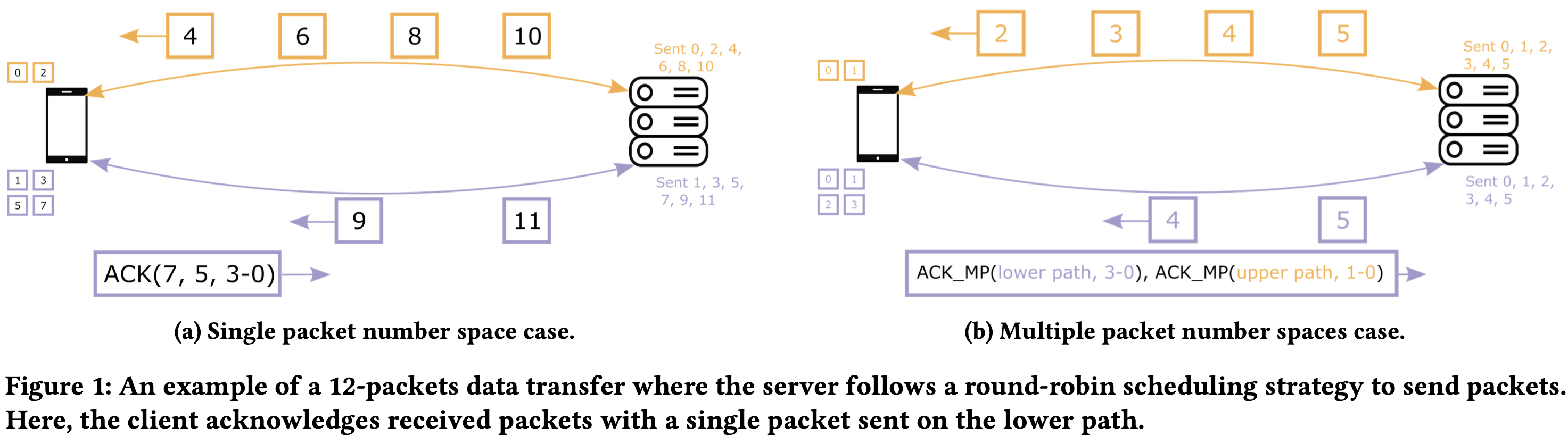
Review (CCR) journal, “The Packet Number Space Debate in Multipath QUIC”,
has been selected to be part of the “Best of CCR” session at the
upcoming ACM SIGCOMM 2023 conference.
Let us introduce in this blog post the context in which that work
relates and the impact it had regarding the standardisation effort of
Multipath QUIC at the IETF.
In 1992, Steven MacCanne and Van Jacobson proposed the BSD Packet
Filter
as an efficient technique to implement flexible packet filters in the
tcpdump packet capture tool. In a nutshell,
BPF specifies a small instruction set which be used to write programs
that are executed on the captured packets to determine which packets can
be matched. BPF is the standard solution to build powerful packet
filters in tcpdump and related tools.
From April 17 to 19, the NSDI23’ conference was held in Boston, during which we presented our paper titled “xBGP: Faster Innovation in Routing Protocols.”
In this post we will explore the outlines of xBGP.
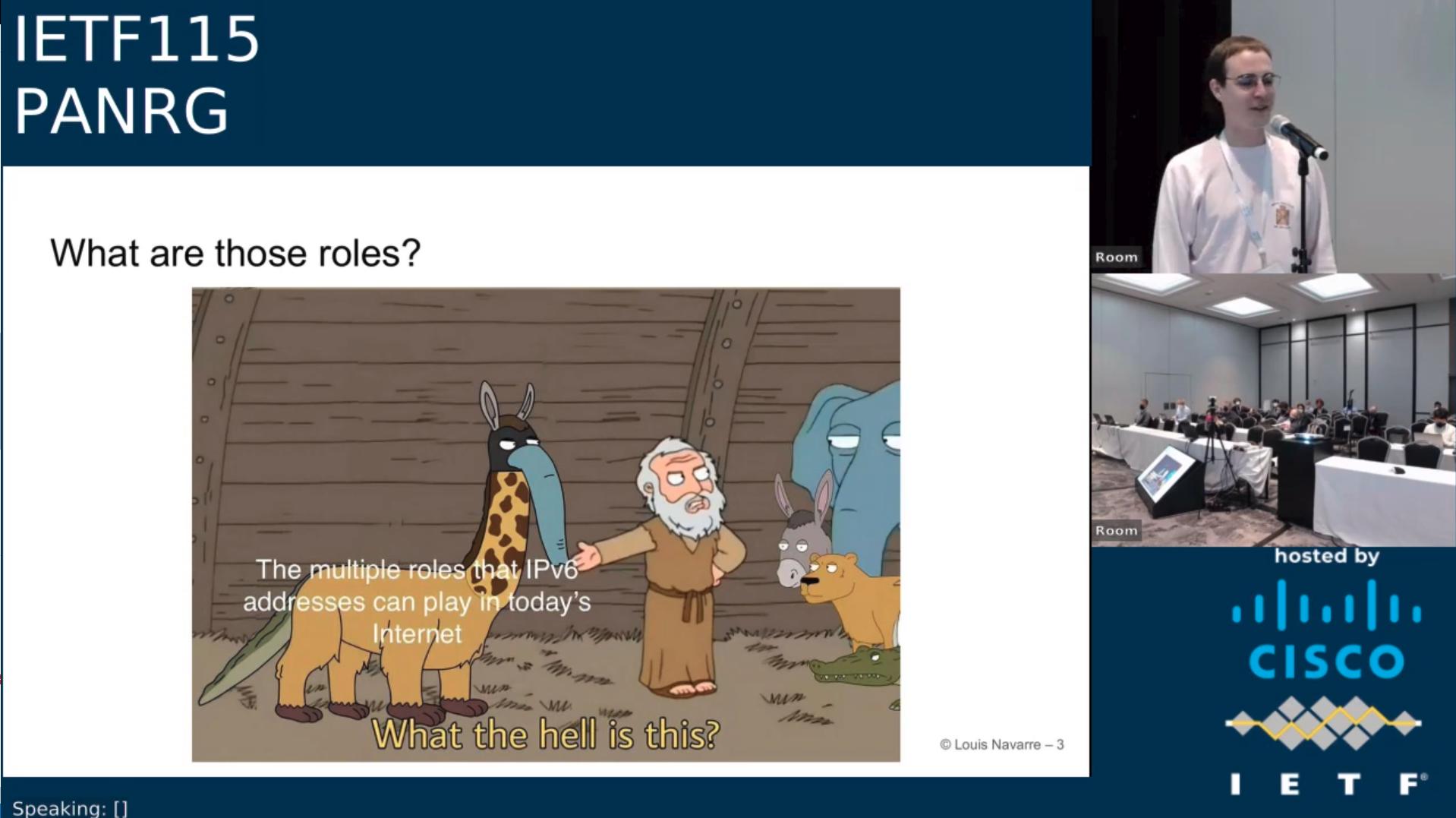
While IPv6 has been standardised in 1998 and its deployment is progressing to overcome the exhaustion of IPv4 addresses, the way IP addresses are used today remains identical to early days of the Internet. We argue that several changes in the Internet infrastructure in the last decade combined with the large addressing space of IPv6 enables opportunities in privacy, mobility, server performance, multihoming, segment routing, differentiated routing and multicast.
What is the life cycle of Resource Public Key Infrastructure (RPKI) data used to secure Internet routing? More specifically, how long does a Route Origin Authorization (ROA) take to propagate and how quickly does it actually affect Internet routing and reachability?
These are questions we would love to have answers to, given that changes on the RPKI management plane can impact how traffic flows. To answer these questions we dissect the stages in the life of RPKI data.